


Many of us will be looking at ways to refresh our homes for the year ahead. The key factor to bear in mind is that interior design is shifting in subtle but meaningful ways and the next wave of home decor blends warmth, tactility and personality, favouring handcrafted materials, soft forms and flexible living.
Lew Geffen Sotheby's International Realty shares the top decor trends for 2026 and practical tips for bringing them into your own space, plus five styles that designers predict will fade out this year.
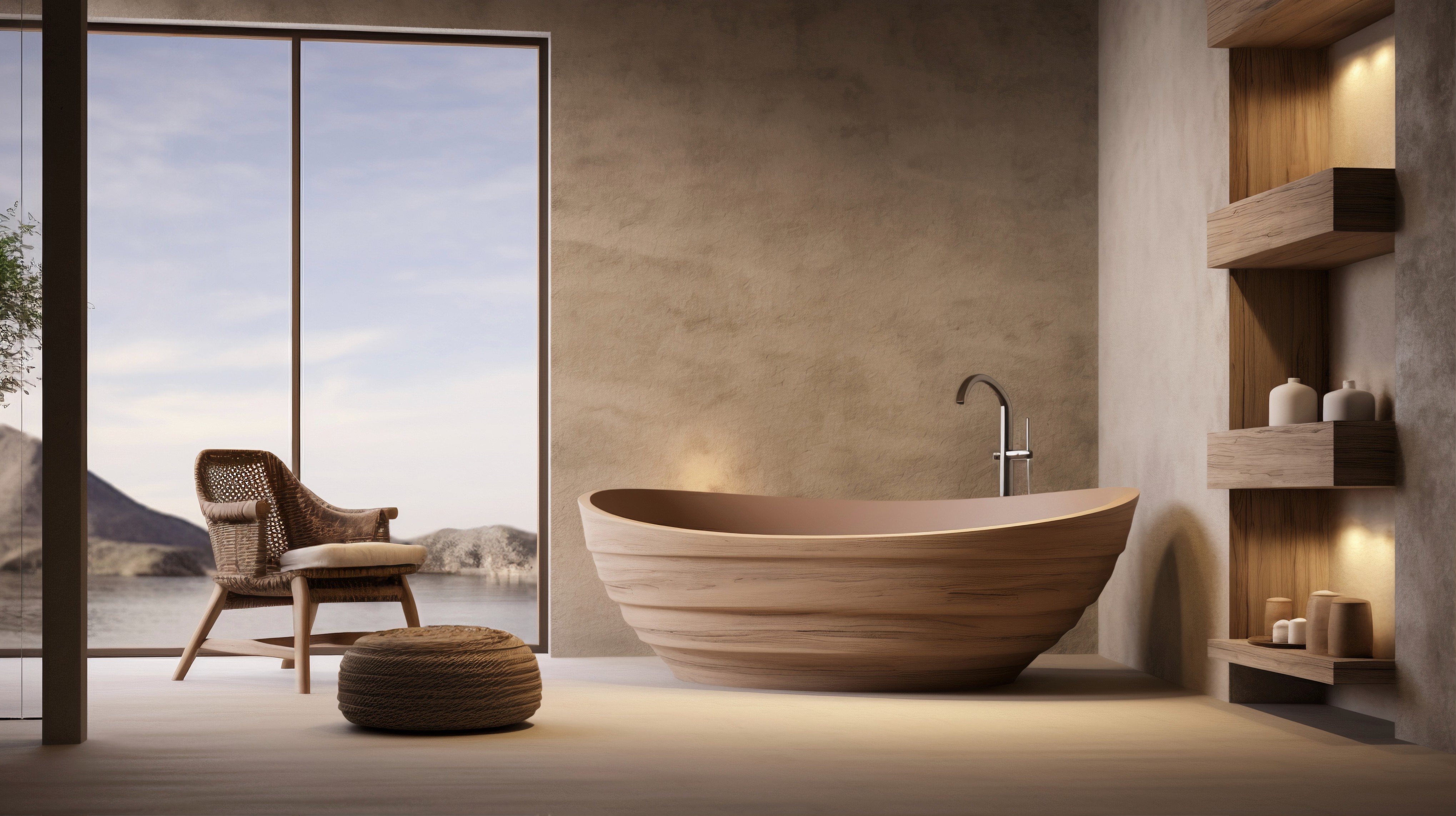
1. Nature-First, Authentic Materials
In 2026, there's a strong return to genuine, tactile materials. Rather than glossy, artificial surfaces, designers are embracing raw timber, terracotta, clay, stone and woven natural fibres, all of which bring a sense of permanence and craftsmanship.
This shift reflects a growing desire for homes that feel rooted in nature, both visually and ethically, prioritising sustainable sourcing and age-worthy materials.
How to incorporate it:
2. Sculptural and Curved Forms
Straight lines and sharp right angles are giving way to organic, curved shapes. Sofas, armchairs, and tables are adopting more fluid, gentle silhouettes, while architectural elements such as arched doorways and rounded shelving are softening room layouts.
Designers say these curving forms make spaces feel more human and relaxed.
How to incorporate it:
3. Warm, Layered Neutrals & Earthy Hues
Cool greys and bright whites are gradually being replaced by what experts call "new neutrals": warm, layered shades like clay, honey, sage, blush and mushroom. These tones help create a calming yet sophisticated backdrop-grounded, but full of character.
How to incorporate it:
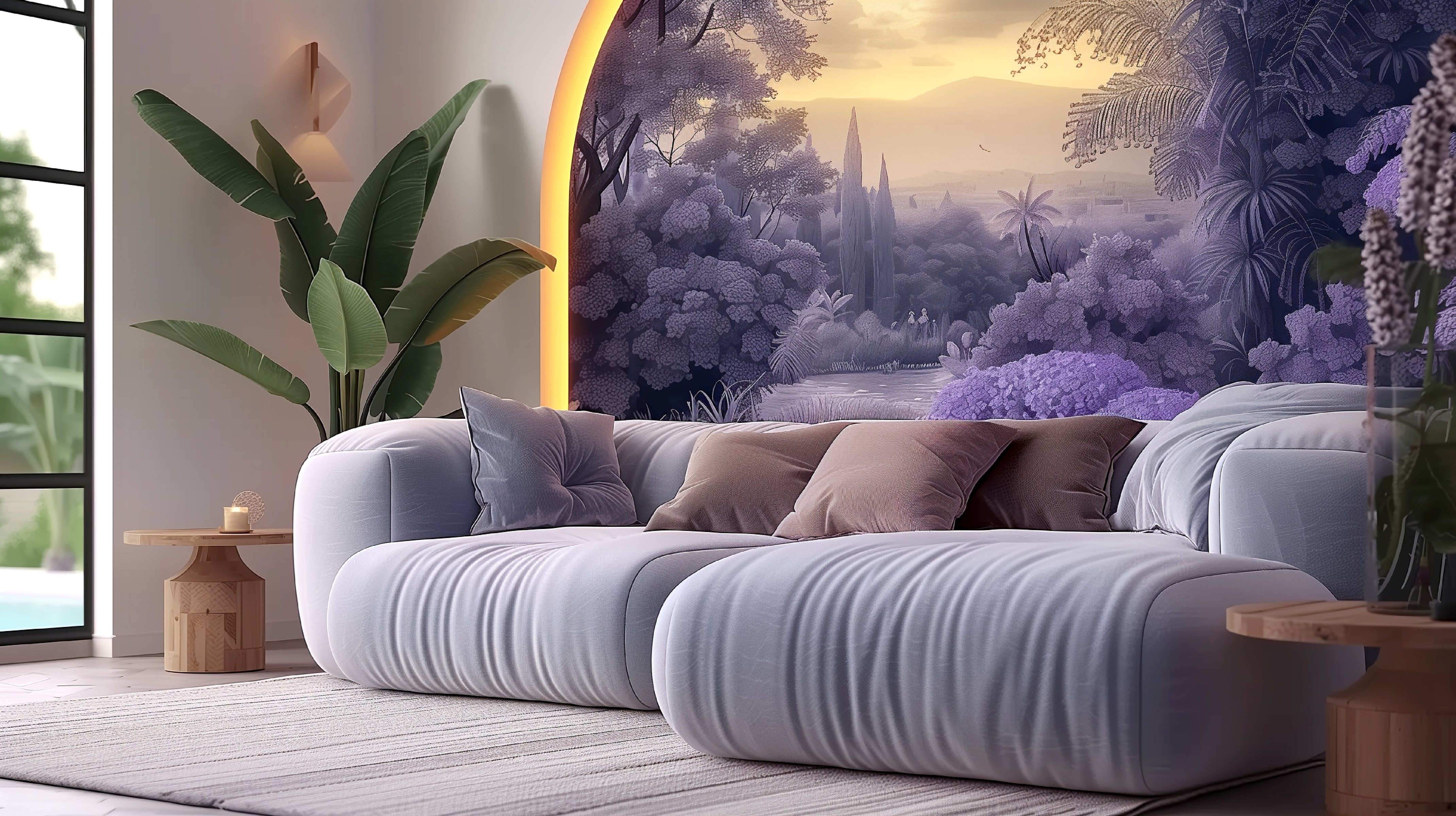
4. Texture & Tactile Layering
Texture is taking centre stage in 2026. Flat, mass-produced surfaces are making way for plastered walls, carved wood, boucle upholstery, linen and stone- materials that invite you to touch and linger.
These tactile layers bring depth and warmth, turning rooms into sensory retreats.
How to incorporate it:
5. Biophilic & Wellness-Centred Design
Wellness isn't just a trend, it's becoming central to how we design homes and biophilic design-connecting indoors with nature- is being woven into living spaces through large plants, natural materials, and daylight, but also via healthy finishes such as low-VOC paints and breathable fabrics.
Adaptive design also plays a role: layouts and lighting are being crafted to support rest, productivity, and well-being.
How to incorporate it:
6. Flexible, Multi-Purpose Spaces
Homes in 2026 are less rigid: rooms are no longer single-purpose and furniture is becoming more modular and convertible. Whether it's a fold-down desk, modular storage units or pieces that serve more than one function, flexibility is now essential.
Designers are focused on creating interiors that evolve with our daily routines and changing needs.
How to incorporate it:
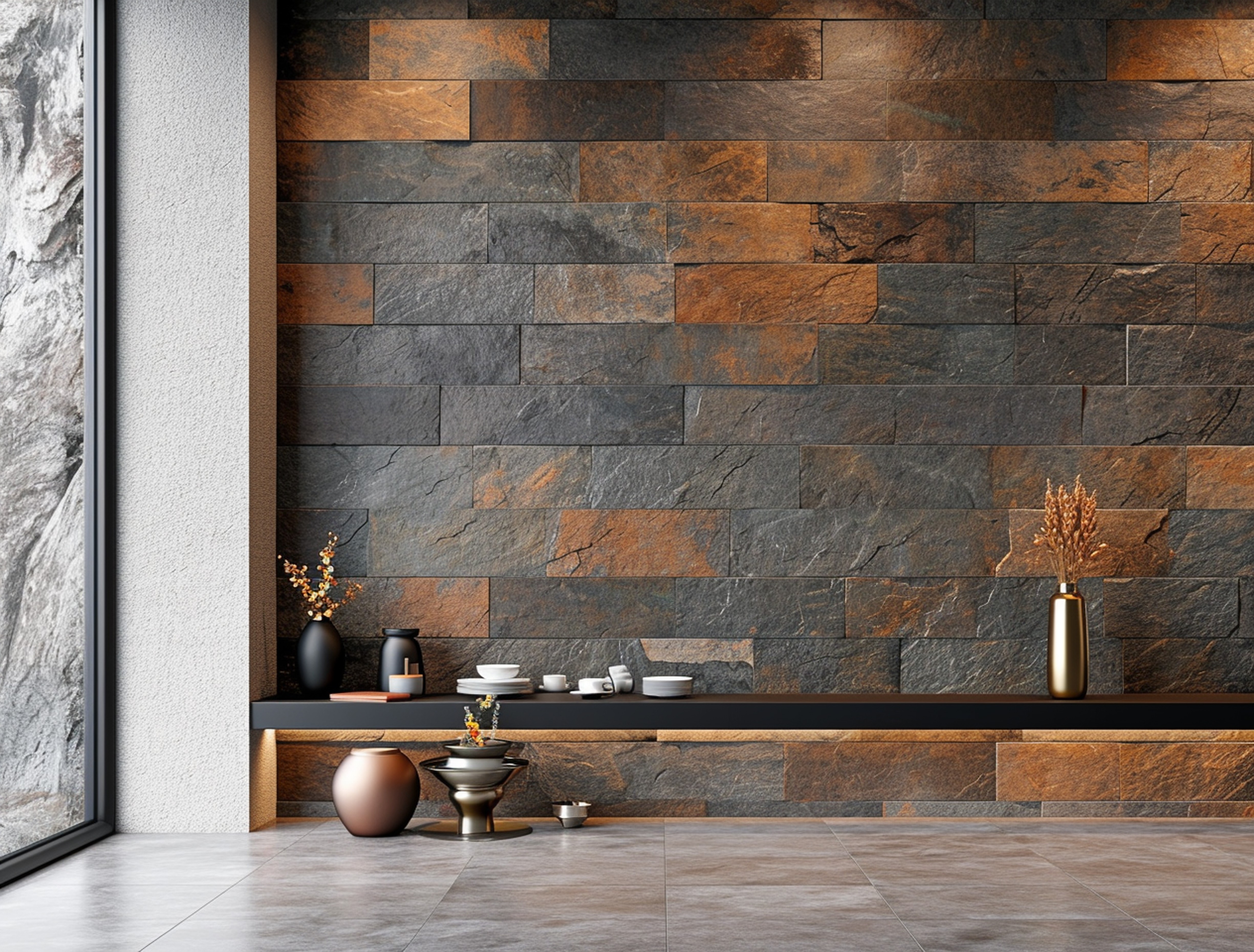
7. Statement Stone and Bold Marble
Stone is making a bolder comeback in 2026. Rather than subtle accents, designers are embracing dramatic slabs, strong veining and sculptural marble in unexpected places. This isn't just about kitchens and bathrooms-stone is being used as a visual and tactile statement throughout the home.
How to incorporate it:
8. Artistic and Modular Lighting
Lighting is no longer simply functional- it's becoming sculptural, versatile and deeply personal. In 2026, modular lighting systems like magnetic tracks, flexible LED panels, reconfigurable ceiling grids are gaining traction. Lighting is being used to define space, mood and even architecture.
How to incorporate it:
Five Trends Falling Out of Favour in 2026
As the design tide shifts, several previously dominant styles are being quietly phased out. Here are five trends on the wane:
Why These Trends Matter
The emerging trends of 2026 say something about how we want to live: more connected to nature, more comfortable, more flexible and more expressive. It's not simply about chasing a "look" - it's about designing homes that feel grounded, personal and resilient. These interiors are made to age well, physically and emotionally.
This year's direction pushes homeowners to think beyond the surface: to prioritise wellness, sustainability, craftsmanship and emotional resonance. It's less about fast decorating fads, and more about building spaces that support real life, with dignity and warmth.
Bringing It Together in Your Home
If you're inspired by these trends but not sure where to begin, here's a simple roadmap:
These design trends invite us to rethink what 'home' really means. It's not just about style, it's about creating spaces that feel intentional, soulful, and deeply human.
 Back to All Posts
Comments