


Forget perfectly coordinated Christmas trees, predictable red-and-green colour schemes and decorations that look as though they came straight out of a supermarket catalogue. Christmas decorating in 2026 is breaking the rules and homes are all the more interesting for it.
This year, nostalgia is making a strong comeback, but it is being reimagined with contemporary colours, oversized accessories, unexpected combinations and a more playful approach to seasonal decorating.
Festive interiors are embracing bigger bows, richer colours, vintage treasures, handmade details and unapologetically playful displays as homeowners rediscover the joy of decorating with personality, nostalgia and a little extravagance.
The result is a Christmas aesthetic that feels less like a seasonal styling exercise and more like an extension of individual taste. For South African homeowners, these trends offer an opportunity to create festive spaces that reflect both contemporary design influences and the relaxed, outdoor character of a summer Christmas.
Whether you favour understated elegance or a more exuberant approach, here are five trends set to transform festive homes this season.
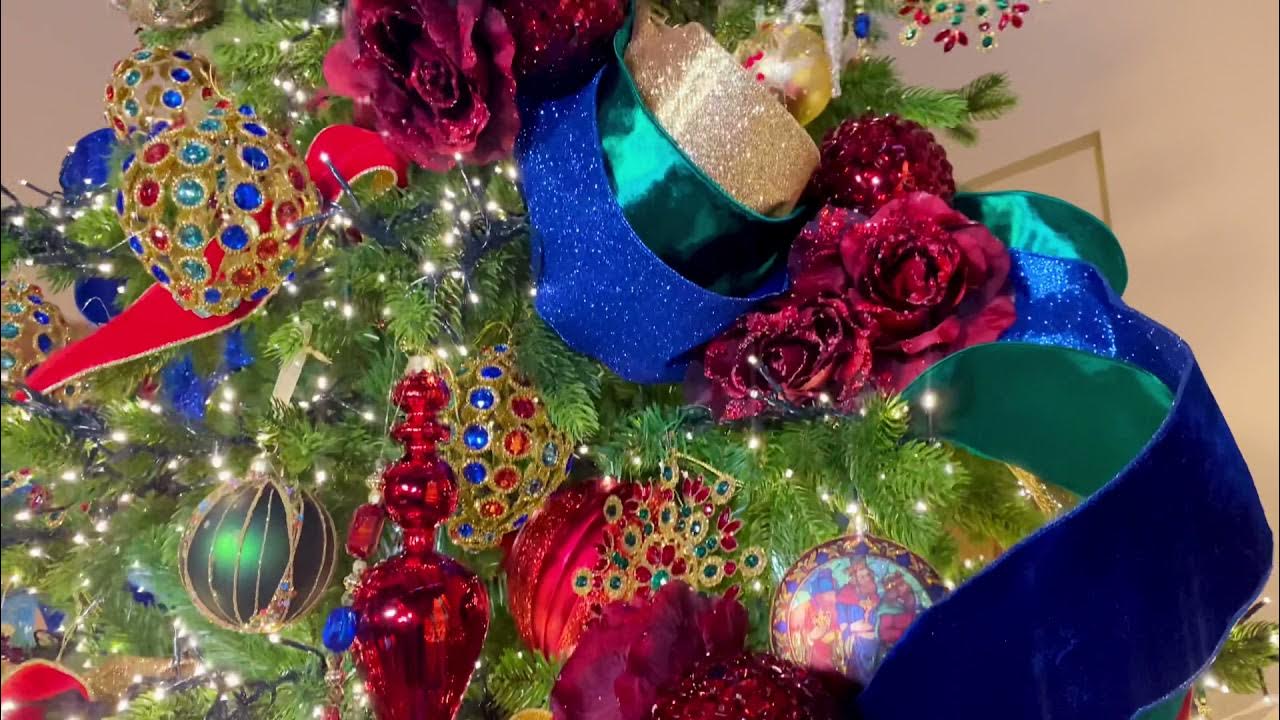
1. Jewel Tones Replace Predictable Christmas Colours
Red, green and gold will always have a place in Christmas decorating, but 2026 is seeing these familiar colours take on a richer, more sophisticated character.
Burgundy, emerald, ruby red, plum and deep sapphire are bringing a sense of drama to festive interiors. These saturated jewel tones offer an alternative to the traditional bright Christmas palette, creating a more luxurious atmosphere that works particularly well in contemporary and classic homes.
Burgundy and deep red are especially effective when paired with antique gold, brass and warm metallic finishes. Emerald green complements natural foliage and darker timber, while plum and aubergine introduce an unexpected alternative for homeowners who want something less conventional.
These colours can be incorporated through baubles, ribbons, table linens, cushions and decorative accessories. For a more understated approach, use jewel tones selectively against neutral interiors, allowing a few carefully chosen pieces to provide the festive impact.
South African homeowners can also balance these deeper colours with the brightness of summer. Combine emerald and burgundy with fresh greenery, white flowers, natural linen and lighter timber finishes to create a festive scheme that feels rich without becoming too heavy.
2. Statement Bows and Oversized Ribbons Take Centre Stage
If there is one decorative detail making a particularly noticeable impression in 2026, it’s the bow. From oversized velvet ribbons cascading down Christmas trees to dramatic bows adorning wreaths, staircases and dining chairs, this traditionally delicate accessory is becoming a statement feature.
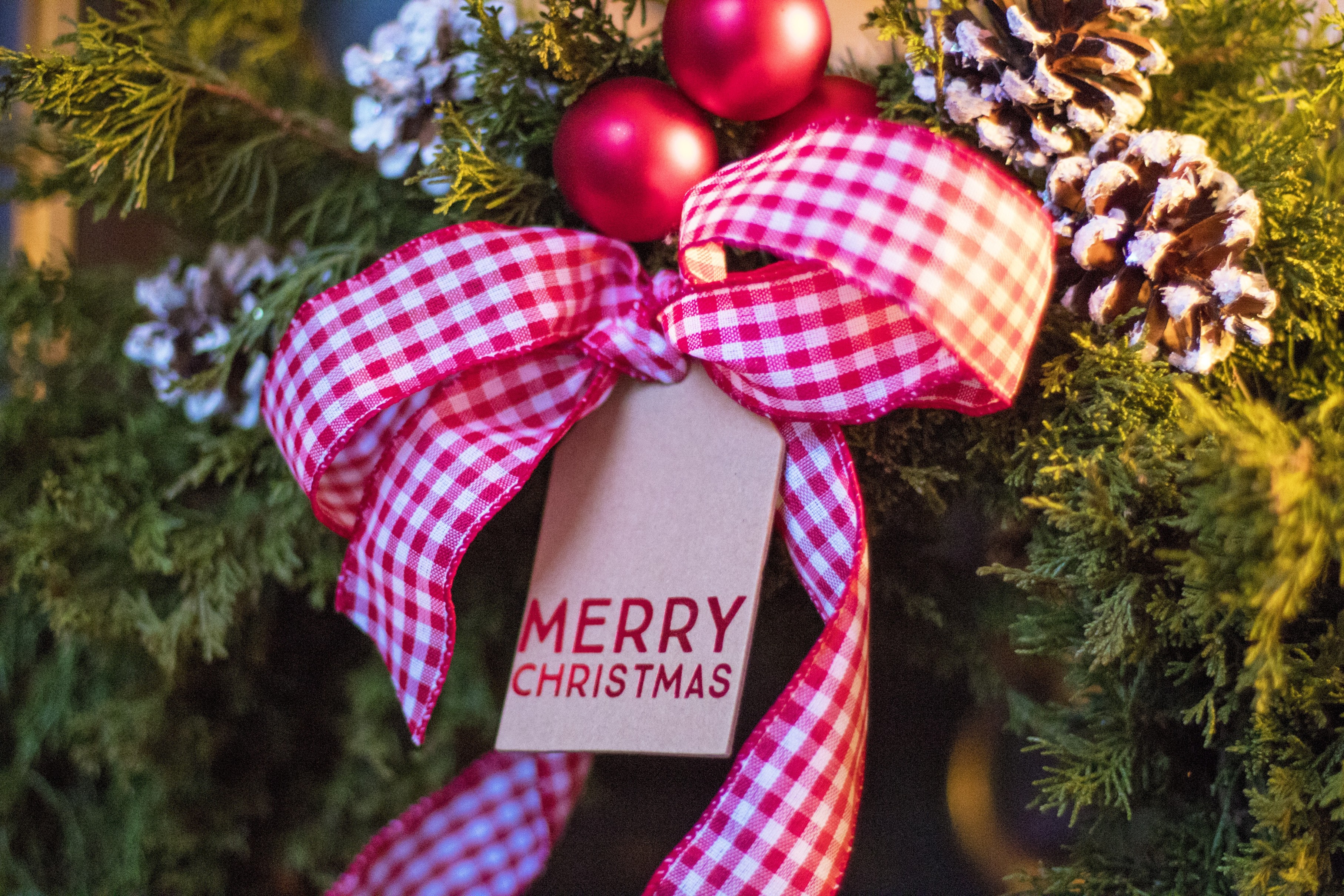
The appeal lies in its versatility. A large burgundy velvet bow can introduce a sense of traditional luxury, while wide satin ribbons in champagne, ivory or forest green create a softer, more contemporary aesthetic. For something more playful, patterned ribbons, gingham checks and contrasting colours add personality.
Rather than limiting bows to the Christmas tree, homeowners can incorporate them throughout their festive decorating. Tie them around napkins, use them to dress door handles, wrap them around candleholders or introduce them to garlands and gift displays.
Tree toppers are also becoming more adventurous. Instead of the conventional star or angel, consider an oversized sculptural bow, an elaborate floral arrangement or an unconventional decorative feature that gives the tree a distinctive finishing touch.
The secret is to make a statement without creating visual clutter. Choose one or two ribbon styles and repeat them in different areas of the home for a cohesive look.
3. Vintage Decorations and Family Heirlooms Make a Comeback
In an age of mass-produced decorations and perfectly coordinated Christmas displays, there is growing appreciation for ornaments that have a story to tell.
Vintage-inspired baubles, delicate glass decorations, retro figurines, traditional tinsel and inherited Christmas ornaments are finding their way back into contemporary homes. Rather than treating older decorations as outdated, homeowners are incorporating them into modern displays to create a collected, layered aesthetic.
This trend is also driven by the desire for more meaningful and sustainable decorating. An ornament passed down through generations carries sentimental value that cannot be replicated by purchasing an entirely new collection each year.
The key to making this look contemporary is mixing old and new. Pair vintage glass baubles with modern metallic decorations, combine traditional red and gold with unexpected colours, or display treasured family ornaments alongside more contemporary accessories.
Homeowners who do not have inherited decorations can achieve a similar effect by exploring antique shops, second-hand stores and vintage markets for unusual finds.
There is also something particularly appealing about embracing imperfection. A collection of mismatched decorations, each with its own history, can create a far more characterful tree than one decorated entirely with identical ornaments.
4. Handmade Decorations and Natural Materials Bring Authenticity
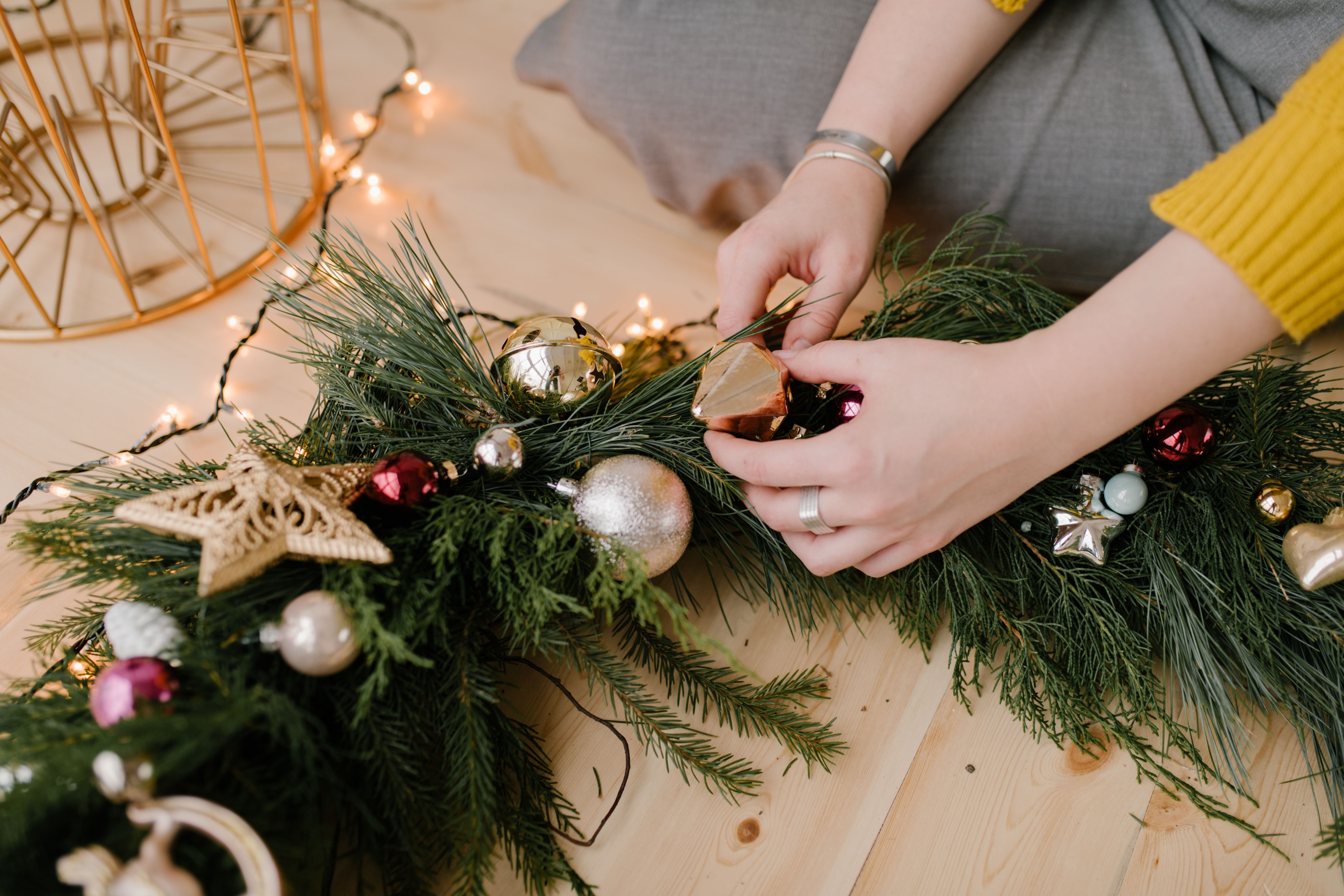
The move towards more personal Christmas decorating is also encouraging homeowners to embrace handmade details and natural materials.
Rather than relying exclusively on store-bought decorations, people are finding creative ways to incorporate handcrafted ornaments, natural textures and seasonal foliage into their festive interiors. The result is a warmer, less commercial aesthetic that feels connected to the home and its surroundings.
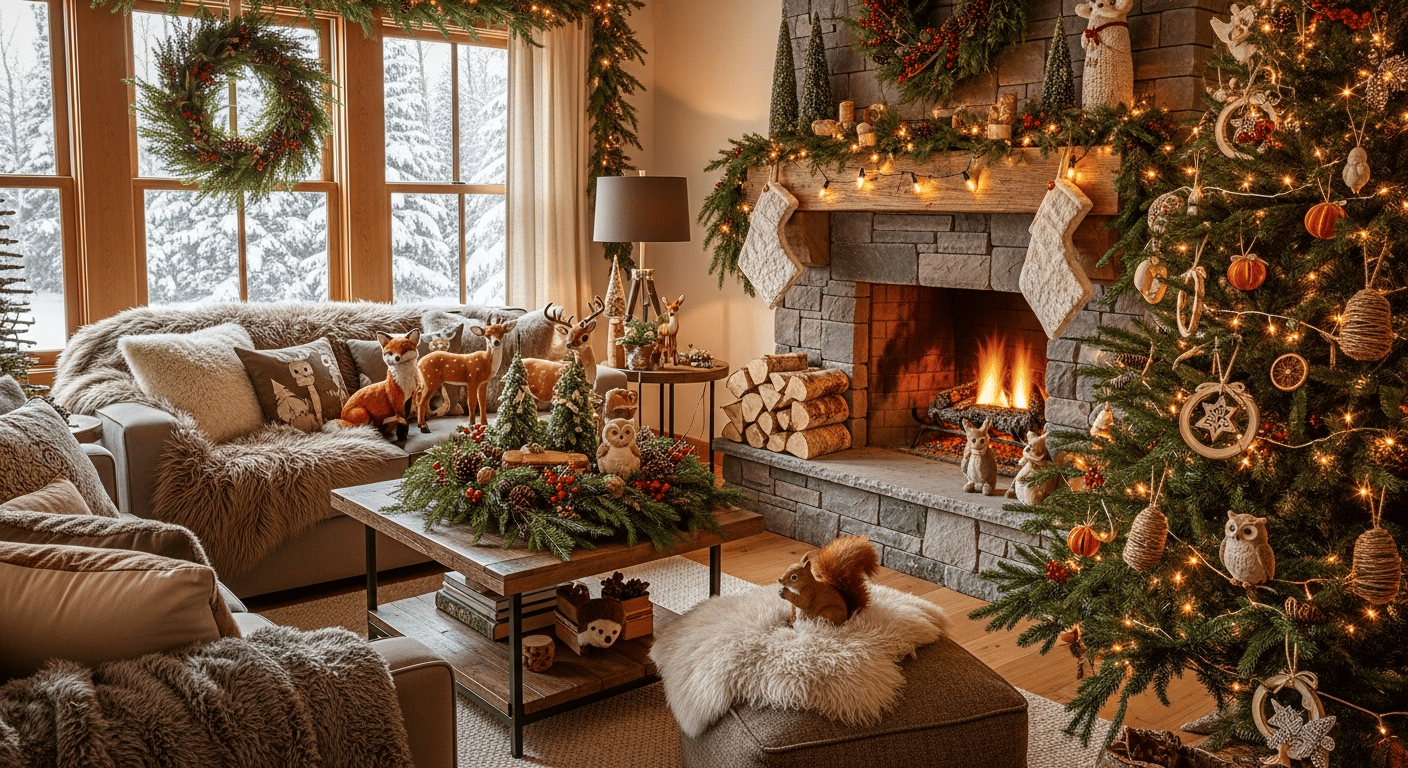
Dried citrus slices, cinnamon sticks, pinecones, wooden ornaments, woven decorations and handmade paper accessories are all effective ways to introduce texture and individuality. Fresh greenery can be used in wreaths, table arrangements and garlands, while seasonal flowers provide colour and fragrance.
For a distinctly South African interpretation, homeowners can experiment with indigenous foliage, locally grown flowers and natural materials suited to the summer season. Eucalyptus, fynbos-inspired arrangements and fresh greenery can provide beautiful alternatives to traditional imported Christmas foliage.
Handmade decorations also offer an opportunity to involve the whole family. Children can create personalised ornaments, decorate wooden shapes or make paper chains, while adults can experiment with dried-flower arrangements and natural centrepieces.
Beyond their aesthetic appeal, these decorations can be reused, repurposed or refreshed each year, making them a more considered alternative to disposable seasonal accessories.
5. Maximalist Christmas: More Colour, More Personality, More Fun
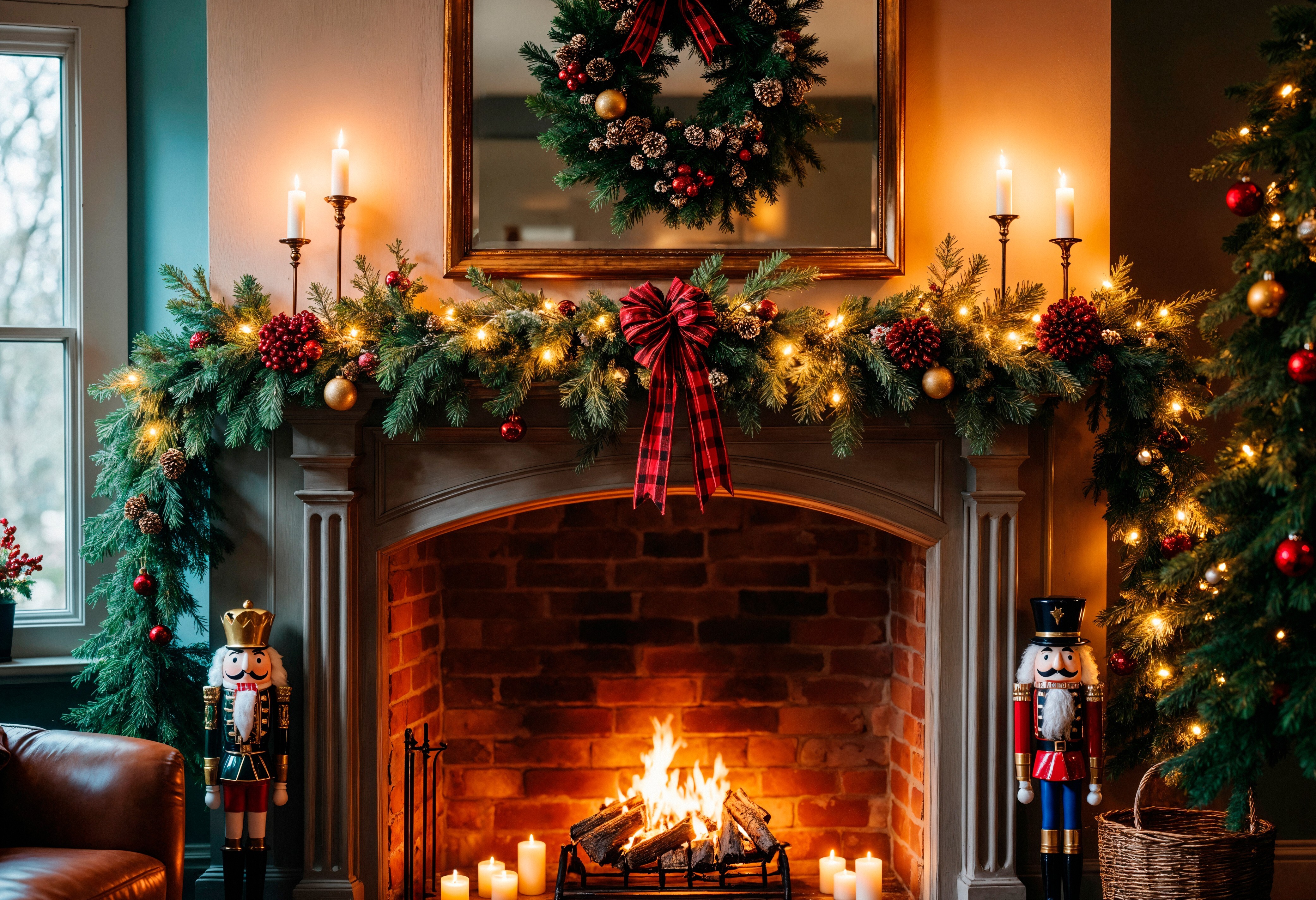
Perhaps the biggest departure from recent festive decorating trends is the growing appetite for maximalism. Instead of carefully edited displays and restrained colour schemes, homeowners are embracing abundance, unexpected combinations and decorations that reflect their personalities.
Think layered Christmas trees, oversized ornaments, playful figurines, colourful garlands, contrasting patterns and decorative pieces that do not necessarily follow traditional Christmas conventions.
This does not mean simply filling every available space with decorations. Successful maximalist styling is about creating an intentional mix of colour, scale, pattern and texture. A statement tree might combine large and small baubles, unusual shapes, vintage pieces and contemporary accessories, while a festive dining area could feature patterned tableware, colourful glassware and an abundant floral centrepiece.
There is also room for humour and individuality. Unconventional tree decorations, quirky ornaments, oversized candy-inspired accessories and unexpected colour combinations can give a home a distinctive festive identity.
For South African homes, maximalism works particularly well in entertainment areas, where colourful styling can complement the relaxed atmosphere of summer gatherings. However, homeowners should consider the existing interior scheme and avoid overwhelming smaller spaces.
Making the Trends Your Own
Although the Christmas 2026 decorating trends offer plenty of inspiration, the most successful festive interiors are not necessarily those that incorporate every new idea. They are the ones that feel authentic to the people who live in them.
Homeowners can embrace a single trend, such as statement bows or jewel-toned decorations, or combine several to create a more individual look. A vintage-inspired tree can be refreshed with oversized burgundy ribbons, while handmade ornaments can add warmth to a more maximalist display.
It is also worth considering how decorations interact with the home's existing architecture and interiors. High ceilings can accommodate dramatic trees and oversized accessories, while smaller homes may benefit from more focused displays, carefully styled tables and understated festive details.
Ultimately, Christmas decorating in 2026 is less about achieving a picture-perfect display and more about creating an atmosphere that feels welcoming, joyful and personal.
After all, the most memorable festive homes are not necessarily the most elaborately decorated. They are the ones where the surroundings encourage people to gather, celebrate and create memories – long after the decorations have been packed away.
 Back to All Posts
Comments