


For decades, property buyers have largely evaluated homes according to familiar criteria: location, size, condition, security, schools, views and proximity to amenities. Increasingly, however, another consideration is entering the equation – how well a home can cope with a changing climate and an increasingly unpredictable utility environment.
Internationally, this shift is already becoming visible. In the UK, for example, searches for homes with air conditioning surged during the recent 2026 heatwaves, and research shows that keeping homes cool is becoming a more important consideration for buyers in Europe.
For South African buyers, the concept of a climate-resilient home has an even more practical dimension. It is not simply about global warming; it’s also about electricity security, water availability, rising utility costs, extreme heat, drought, flooding and the ability of a property to remain comfortable and functional when infrastructure comes under pressure.
So what should buyers be looking for – and which features could help protect a property's long-term appeal and value?
Energy independence is becoming an established property feature
South Africans are already familiar with the value of solar panels, inverters and batteries. And, although the electricity supply situation has improved from the worst periods of load-shedding, energy resilience remains an important consideration for homeowners.
Solar and backup power have consequently moved beyond being expensive lifestyle upgrades and local property commentary indicates that buyers increasingly regard energy resilience as part of a property's practical functionality, alongside security and location.
For buyers, the important question is not simply whether a property has solar panels, but how well the system has been designed. What size is the inverter? How much battery storage is available? How old are the panels? Is the system properly installed and maintained? Can it support essential household appliances?
A well-designed energy system can reduce reliance on the grid, lower electricity costs and make a home more attractive to future buyers.
Water security moves up the checklist
If energy resilience is already familiar to South African homeowners, water resilience is likely to become equally important.
Johannesburg's current water crisis illustrates the vulnerability of ageing municipal infrastructure and recent reporting indicates that enormous volumes of water are being lost through damaged systems, with some affluent households responding by installing boreholes, tanks and private water systems.
This makes water infrastructure well worth investigating when buying a home.
Features such as rainwater tanks, boreholes where legally and practically appropriate, greywater systems, efficient irrigation, low-flow fittings and indigenous or drought-resistant landscaping can all reduce dependence on municipal supplies.
However, it’s critical that buyers should investigate the legality, maintenance requirements, water quality and operating costs of any private water system rather than assuming that a borehole or tank automatically adds value.
Keeping cool without breaking the bank
The international experience offers another lesson. As heatwaves become more frequent, buyers are increasingly interested in homes that remain comfortable without excessive energy consumption.
In the UK, where air conditioning was historically uncommon, searches for properties with cooling systems have increased dramatically following recent heatwaves.
And, whilst South African buyers have long understood the importance of keeping homes cool, but climate-conscious design takes the idea further.
Orientation, insulation, shade, cross-ventilation, ceiling fans, external shading, high-performance glazing and appropriate landscaping can all reduce heat gain. Air conditioning can provide an additional layer of comfort, but a home that is designed to stay cool naturally may be more energy efficient.
This is particularly relevant in hotter parts of Gauteng, Limpopo, Mpumalanga and KwaZulu-Natal, as well as increasingly warm coastal areas.
Insulation is not just for cold climates
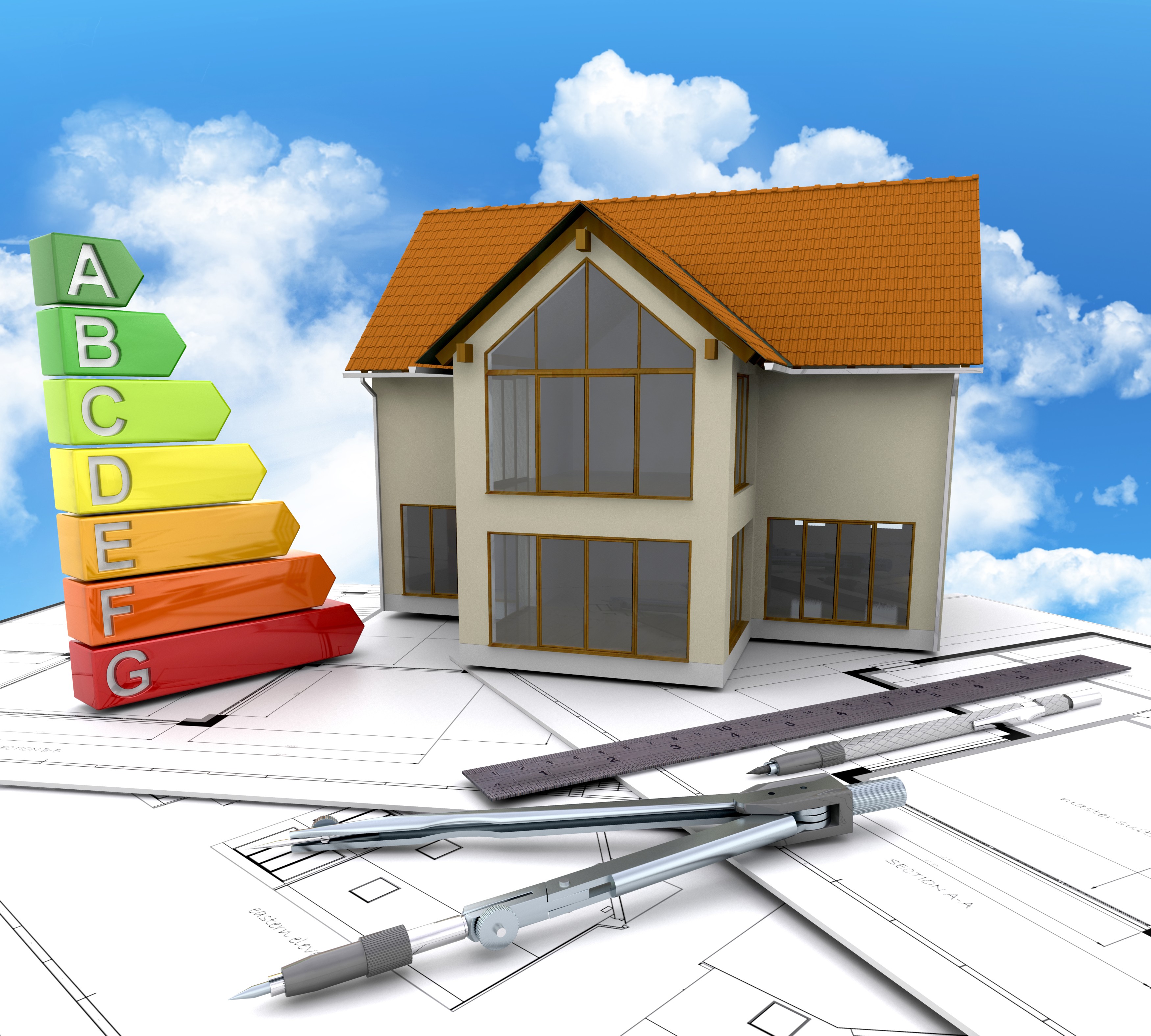
Insulation is sometimes associated primarily with keeping homes warm during winter, but, in reality, it can help moderate temperatures in both directions.
A well-insulated roof and ceiling can reduce heat entering a house during summer while also helping retain warmth during winter. Combined with appropriate glazing and ventilation, this can improve year-round comfort and potentially reduce heating and cooling requirements.
For buyers inspecting an older property, it is therefore worth asking about roof insulation, window quality, shading and the home's general thermal performance rather than focusing only on cosmetic finishes.
Location will matter more
Climate resilience isn't only about what is installed inside a house. Where the property is located may become increasingly important.
Buyers should consider factors such as flood risk, exposure to coastal storms, wildfire risk, water availability and the resilience of local infrastructure. A spectacular sea view may be attractive, for example, but buyers should also understand whether the property is vulnerable to coastal erosion or storm-related damage.
Similarly, homes in areas experiencing persistent water shortages may face different long-term risks from those in better-resourced municipalities.
This could ultimately create a new dimension to the traditional property mantra of "location, location, location": climate resilience of location.
Gardens are changing too
The traditional South African suburban garden can be surprisingly resource-intensive. Large expanses of lawn, exotic plants and irrigation systems can require substantial quantities of water.
Consequently, drought-tolerant landscaping, indigenous planting, shade trees, permeable surfaces and efficient irrigation are becoming increasingly attractive.
A climate-conscious garden doesn't have to mean sacrificing outdoor living. In fact, carefully designed landscaping can provide shade, improve privacy, create outdoor entertainment areas and reduce water consumption simultaneously.
Will climate resilience protect property values?
It would be premature to suggest that a particular solar system, rainwater tank or insulation upgrade will automatically increase a home's resale value by a specific amount and property value remains fundamentally driven by location, supply and demand, condition and buyer preferences.
But the direction of travel is clear – and should be noted.
South African buyers are increasingly asking whether a property is cost-efficient, comfortable and resilient, rather than simply whether it looks good and is well-maintained. Energy resilience is already influencing purchasing decisions, while water security is becoming an increasingly visible concern.
For homeowners, this suggests a sensible approach to future-proofing: prioritise improvements that provide an immediate practical benefit while also addressing longer-term environmental and infrastructure risks.
The climate-proof home of the future may not necessarily look dramatically different from today's desirable home. It may simply work better – using less water, consuming less energy, staying cooler, remaining functional during interruptions and adapting more easily to changing conditions.
And for South African buyers, that could prove to be one of the most valuable forms of luxury of all: resilience.
 Back to All Posts
Comments