


There is a world of difference between an old house and an ageing house. The first can be filled with character, craftsmanship and history whilst the latter may simply be showing the consequences of years of neglect, outdated finishes and changing lifestyles.
For South African homeowners, the question is therefore not necessarily whether a home should look new; it’s whether it’s ageing well – retaining its architectural character and functionality while adapting to contemporary expectations.
Increasingly, design is moving away from the idea that everything must look brand new and South African interiors in 2026 are embracing natural materials, craftsmanship, layered textures and spaces that feel personal rather than showroom perfect.
This creates an opportunity for homeowners to rethink renovations. Instead of constantly replacing what is old with what is fashionable, the better approach may be to preserve what has value and thoughtfully update what no longer works.
Architecture that improves with age
Some architectural features become more attractive as the years pass. Natural timber, stone, exposed brick, terracotta, copper and other honest materials can develop patina and character rather than simply deteriorating.
High ceilings, generous windows, hardwood floors, original fireplaces, pressed ceilings, steel-framed windows, arches, sash windows and detailed cornices can also give older homes a sense of individuality that is difficult to reproduce in new construction.
This is particularly evident in South Africa's heritage homes so rather than stripping away original character in pursuit of contemporary minimalism, designers are now allowing features such as high ceilings, arches and natural stone to remain prominent while introducing modern furniture and lighting.
The result is a home that feels neither old-fashioned nor aggressively modern.

Good bones matter
When considering whether a home is ageing gracefully, start with its fundamentals rather than its finishes.
A beautiful kitchen cannot compensate for a leaking roof, failing foundations, damp, outdated electrical infrastructure or poorly maintained plumbing. These are the elements that determine whether a property is genuinely ageing well.
Regular maintenance is therefore one of the best investments a homeowner can make. Roofs, gutters, waterproofing, drainage, exterior paintwork, windows and electrical systems should be inspected and maintained before relatively minor problems become expensive structural ones.
A well-maintained 30-year-old house can ultimately be more appealing than a poorly constructed five-year-old home.
Don't renovate away the personality
One of the biggest mistakes homeowners make is removing every feature that identifies a house with its era.
A 1930s home does not necessarily need to become a contemporary white box. A Mid-century home does not have to be stripped of its original character. And a Cape Dutch or Victorian property should not lose its architectural identity in the pursuit of generic modernity.
Instead, consider a dialogue between old and new.
An original wooden staircase can sit comfortably alongside contemporary lighting and bold, modern art and a period fireplace can become the focal point of a modern living room. Original doors can be restored rather than replaced and traditional sash windows can often be repaired and upgraded where practical.
The objective is evolution rather than erasure.
Choose materials that get better with time
If you're renovating, think beyond what looks fashionable today.
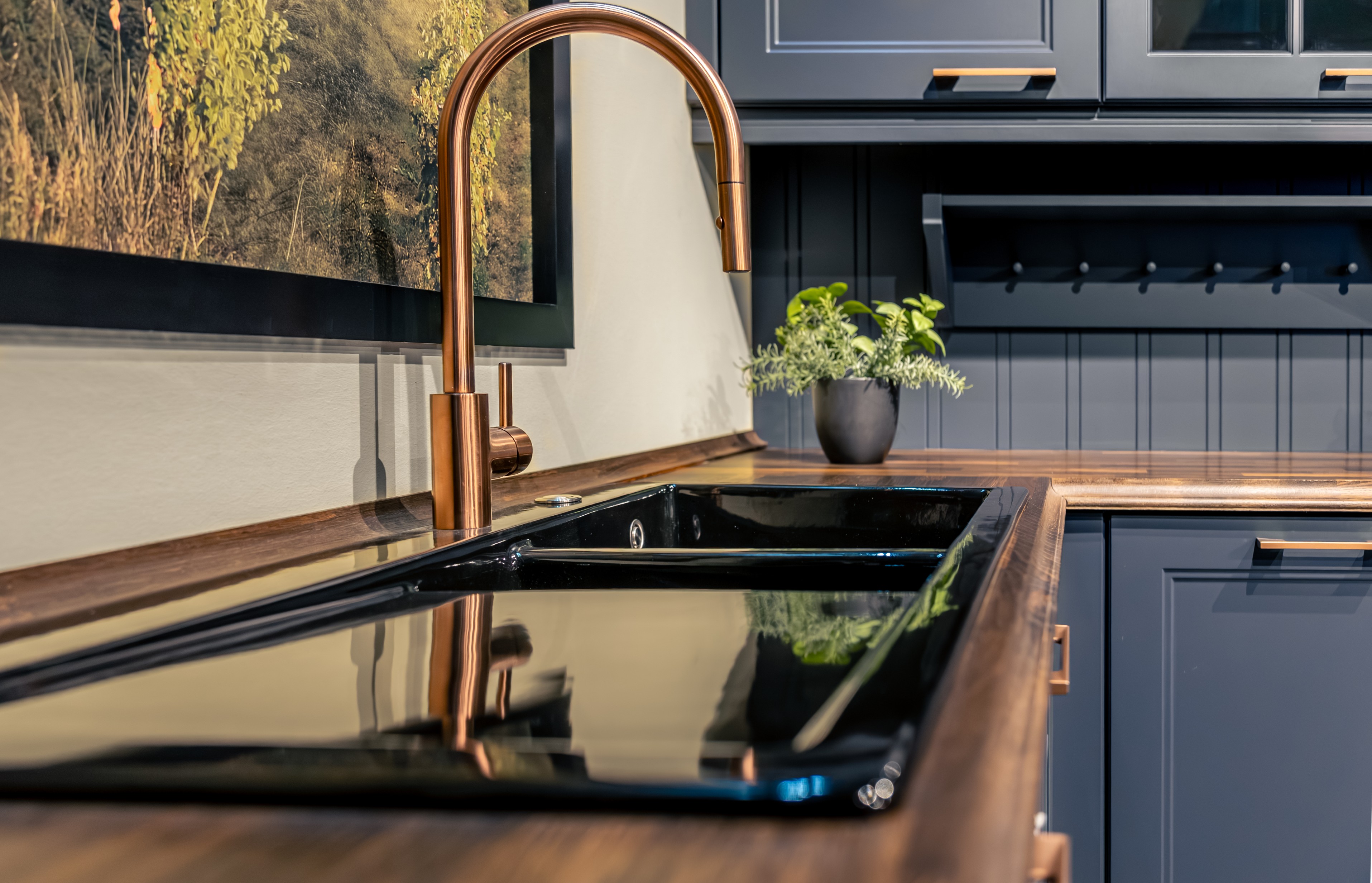
Natural timber, stone, leather, linen, wool, brass, copper and handmade ceramics tend to develop character and current South African interiors are showing a strong preference for natural materials, tactile surfaces and locally crafted pieces.
This doesn't mean every surface needs to be rustic. A contemporary kitchen with natural timber cabinetry and stone worktops can feel both modern and timeless.
The same principle applies to flooring. Quality timber, stone or well-made tiles can last for decades and can often be repaired, refinished or adapted rather than ripped out when tastes change.
Decor should tell a story
A home ages gracefully when it develops a sense of history.
Instead of replacing everything every few years, homeowners can gradually collect furniture, artwork, ceramics, books, textiles and objects that have personal meaning. This creates an interior that feels assembled over time rather than purchased in one shopping trip.
Interestingly, the growing appreciation for patina reflects this shift. Designers are increasingly celebrating the natural ageing of materials such as wood, leather and metal because imperfections can add warmth and authenticity.
Vintage furniture can also work surprisingly well in contemporary homes. A mid-century chair, antique mirror, old Persian rug or inherited sideboard can give a room considerably more personality than a matching suite of new furniture.
The key is balance: too many period pieces can make a home feel like a museum, while one or two carefully chosen pieces can create a strong sense of identity and add significant character.
Don't be afraid of colour
Timeless does not have to mean beige.
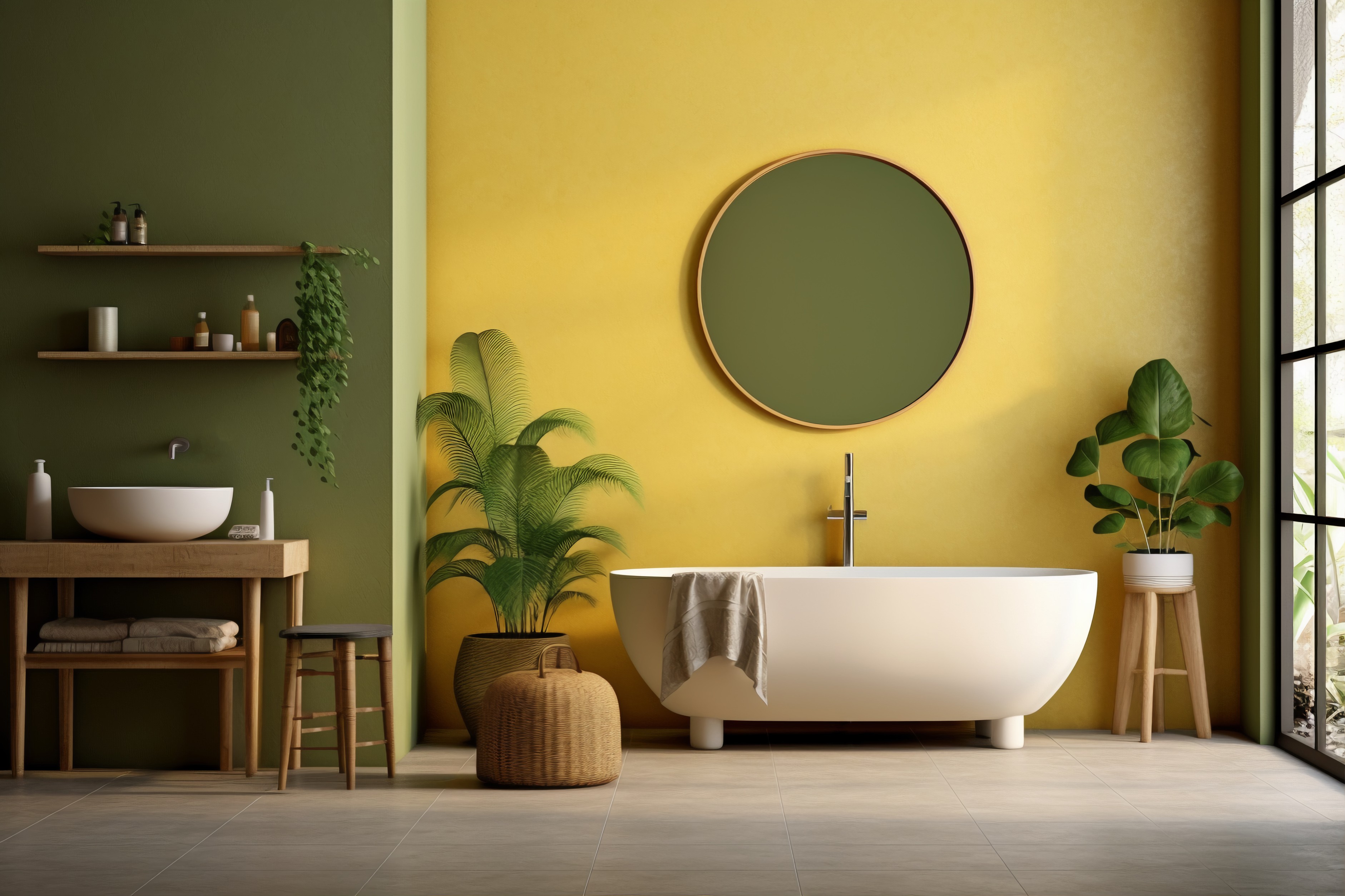
Interiors are increasingly moving away from stark whites and cool greys towards warmer neutrals, earthy tones and richer accent colours.
Terracotta, olive, clay, deep blue, chocolate, muted green and warm cream can provide longevity while still giving a room personality.
If you're cautious about committing to colour, use it strategically. A dramatic study, guest bathroom or dining room can accommodate stronger colour without overwhelming the entire house.
Let the house adapt to modern life
Ageing gracefully also means remaining useful and the way South Africans use their homes has changed considerably in recent years.
Remote and hybrid working, multigenerational households, home entertainment and increased demand for indoor-outdoor living all require flexibility.
A spare bedroom might need to function as both a guest room and home office. A formal dining room could become a study or second living space. A garden cottage could provide accommodation for family, a work-from-home environment or rental potential.
Flexible spaces are increasingly recognised as an important architectural direction because homes need to adapt as people's circumstances change.
Modernise what matters
There is nothing timeless about an inefficient home.
Updating insulation, lighting, plumbing, electrical systems, security, energy efficiency and water management can make an older property significantly more comfortable without destroying its character.
Similarly, smart-home technology can be introduced discreetly. Automated lighting, security systems, irrigation controls and energy monitoring can coexist with traditional architectural details.
The best renovations often make the technology almost invisible.
A home should show its journey
Ultimately, a home that ages gracefully is not frozen in time. It’s a property that shows evidence of having been cared for, lived in and thoughtfully adapted.
For homeowners, this means resisting the pressure to renovate according to every passing trend. Instead, preserve genuine architectural features, invest in quality materials, maintain the fundamentals and surround yourself with things that have meaning.
The result is a home with something increasingly difficult to manufacture: character.
And when the time eventually comes to sell, that character may well prove to be an asset too. In a market filled with properties competing for attention, a well-maintained home with authentic architectural details, quality materials and a coherent sense of identity can stand apart.
A home doesn't have to look perpetually new to be beautiful.
Sometimes, the most desirable homes are those that have aged gracefully – retaining the best of their past while remaining perfectly suited to the way we live today.
Five Questions to Ask Yourself Before Making any Changes:
What architectural features give my home its identity?
Before removing anything, identify the elements that make the property distinctive – original flooring, fireplaces, pressed ceilings, timber doors, arches, exposed brick, sash windows or period details. Ask whether they can be restored or incorporated rather than replaced.
Am I improving the home or simply following a trend?
Consider whether your chosen finishes and fittings will still appeal in 10 or 15 years. Timeless materials such as timber, natural stone, brass and quality tiles can provide longevity, while highly fashionable finishes may date quickly.
How can I make the space work better without changing its character?
Look at functionality first. Could better storage, improved lighting, an open-plan kitchen, a flexible home office or better indoor-outdoor flow solve your problems without fundamentally altering the architecture?
Can old and new elements work together in this space?
A renovation doesn't have to be entirely traditional or contemporary. Consider pairing original features with modern cabinetry, lighting, appliances and furniture. The contrast can make both the historic and contemporary elements more interesting.
Will this renovation add lasting value?
Distinguish between improvements that genuinely enhance the property's functionality, efficiency and appeal and those that are primarily cosmetic. Ask whether the renovation will make the home easier and more enjoyable to live in while remaining attractive to future buyers.
 Back to All Posts
Comments