


Globally, the residential property market is shifting, and not just in terms of prices. How people live, what they prioritise and how they search for homes is evolving and, for South African buyers and sellers, understanding where the market is heading - beyond local anecdotes and price boards - can make the difference between a smart long-term decision and a costly regret.
As a growing international investment market, these shifts are very relevant in South Africa, not as abstract concepts, but as real drivers of buyer behaviour, property improvement priorities and ultimately long-term value.
Lew Geffen Sotheby’s International Realty takes a closer look at five up-and-coming global residential real estate trends that are already influencing the way homes are bought, sold and valued worldwide.
1. The Rise of Resilience-Led Design
In many parts of the world, homes are now being evaluated not simply on style or size, but on their ability to withstand disruption. Resilience-led design prioritises a property’s capacity to cope with energy interruptions, water shortages, climate extremes and ageing infrastructure - an especially salient concern in South Africa, where load shedding, municipal water pressures and weather variability are everyday realities.
What resilience looks like
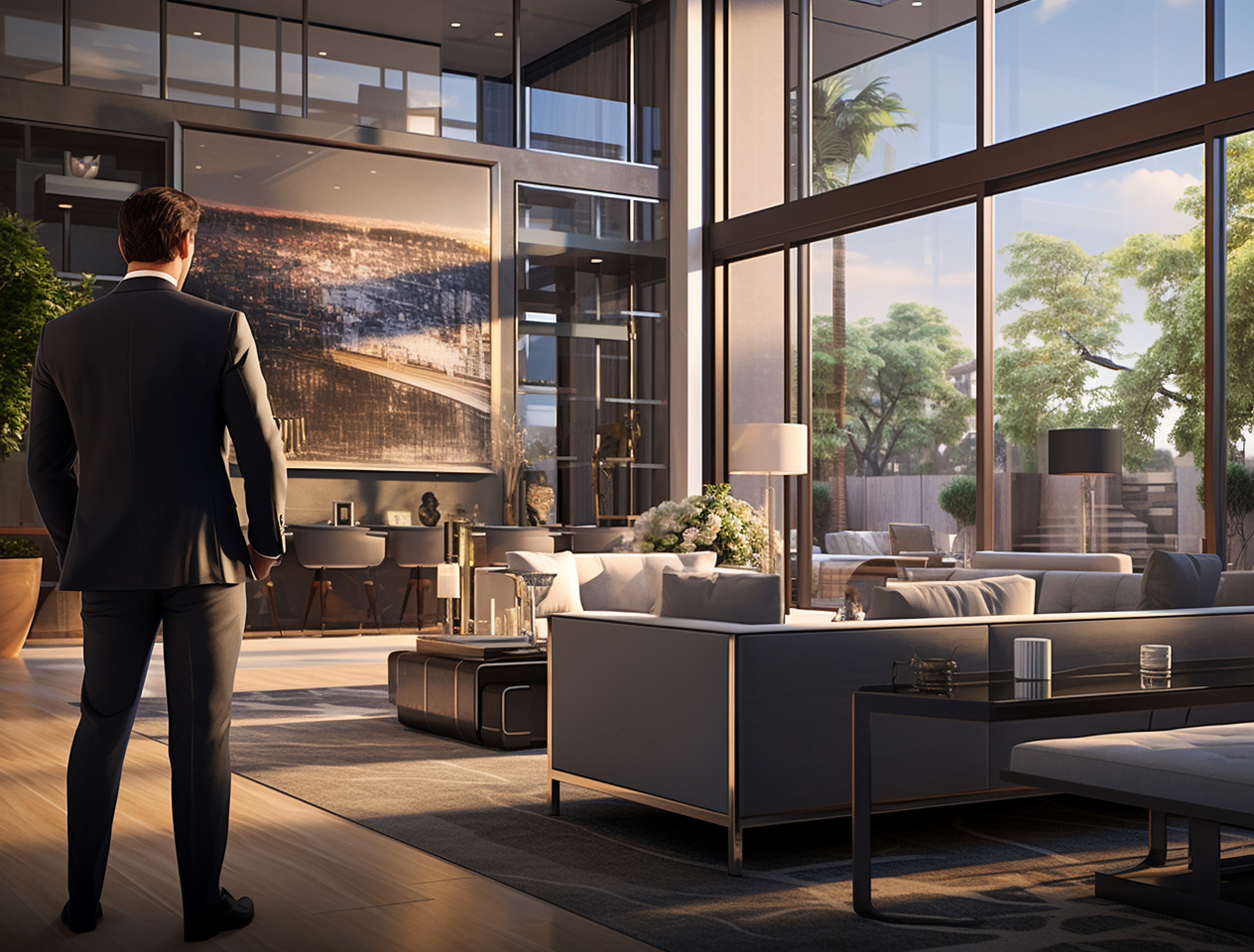
South African homebuyers increasingly recognise that everyday interruptions, whether energy, water or service delivery, impact comfort, mood and utility costs and sellers who can demonstrate resilience features or upgrades often attract more competitive interest and stronger offers.
Whether buying or selling, prioritise resilience. Buyers should ask hard questions about systems and maintenance; sellers should highlight resilience enhancements in listing materials and agent briefings.
2. Well-Being Architecture and Biophilic Living
Well-being architecture is no longer a buzzword. It’s a measurable priority for many buyers who want homes that actively support health, mood and daily comfort. Biophilic design - bringing nature into living spaces - is part of this trend, and it’s rising fast across high-demand markets.
Key elements homebuyers are seeking
Most South Africans value outdoor living and visual connection to land, sea or mountain, but today’s buyers also want daily physical and emotional benefits. A home that feels restful, light, and breathable isn’t just more pleasant. it performs for wellbeing.
When marketing a home, weave these elements into the narrative: describe light paths, garden views, natural airflow and quiet living areas. Buyers may not say they’re looking for well-being design, but they will feel it and very often choose homes that embody it.
3. Micro-Mobility and Localised Urban Living
The pandemic accelerated flexibility in where and how people work, and in 2026 this trend has expanded into how people prioritise location. Rather than commuting long distances to a city core, buyers increasingly value neighbourhoods where essential daily needs such as work, groceries, fitness and leisure are accessible without reliance on long drives.
What this means
Property in established nodes like Claremont, Morningside or Umhlanga Ridge competes not just on price but on local liveability. Buyers are scrutinising how easy life feels from daily routines, not just the home’s physical attributes.
If your property is in or near a functional local node, highlight walkability and convenience. Buyers are paying more attention to these factors, especially if remote or hybrid work remains part of daily life.
4. Flexible Spaces Beating Square Metres
Gone are the days when more square metres automatically equated to higher desirability. In 2026, functional flexibility increasingly trumps raw space, especially where living patterns have shifted due to hybrid work, multigenerational households and lifestyle versatility.
Features buyers now prioritise
With South Africa’s diverse living patterns, from urban apartments to large estates, flexibility ensures that homes work for daily realities and future shifts, not just current needs. A “bonus room” unused most of the year is less valuable than a space that functions every day.
In your listing and viewings, show how rooms can adapt. Buyers respond to spaces that feel useful, not just large.
5. Digital Discovery and Virtual Vetting as a Standard
The first viewing today often happens online, and high-quality photos, virtual tours, detailed floor plans and data-rich listings are now expected. Homes without strong digital presentation risk being overlooked — no matter how attractive they are in person.
Core digital expectations
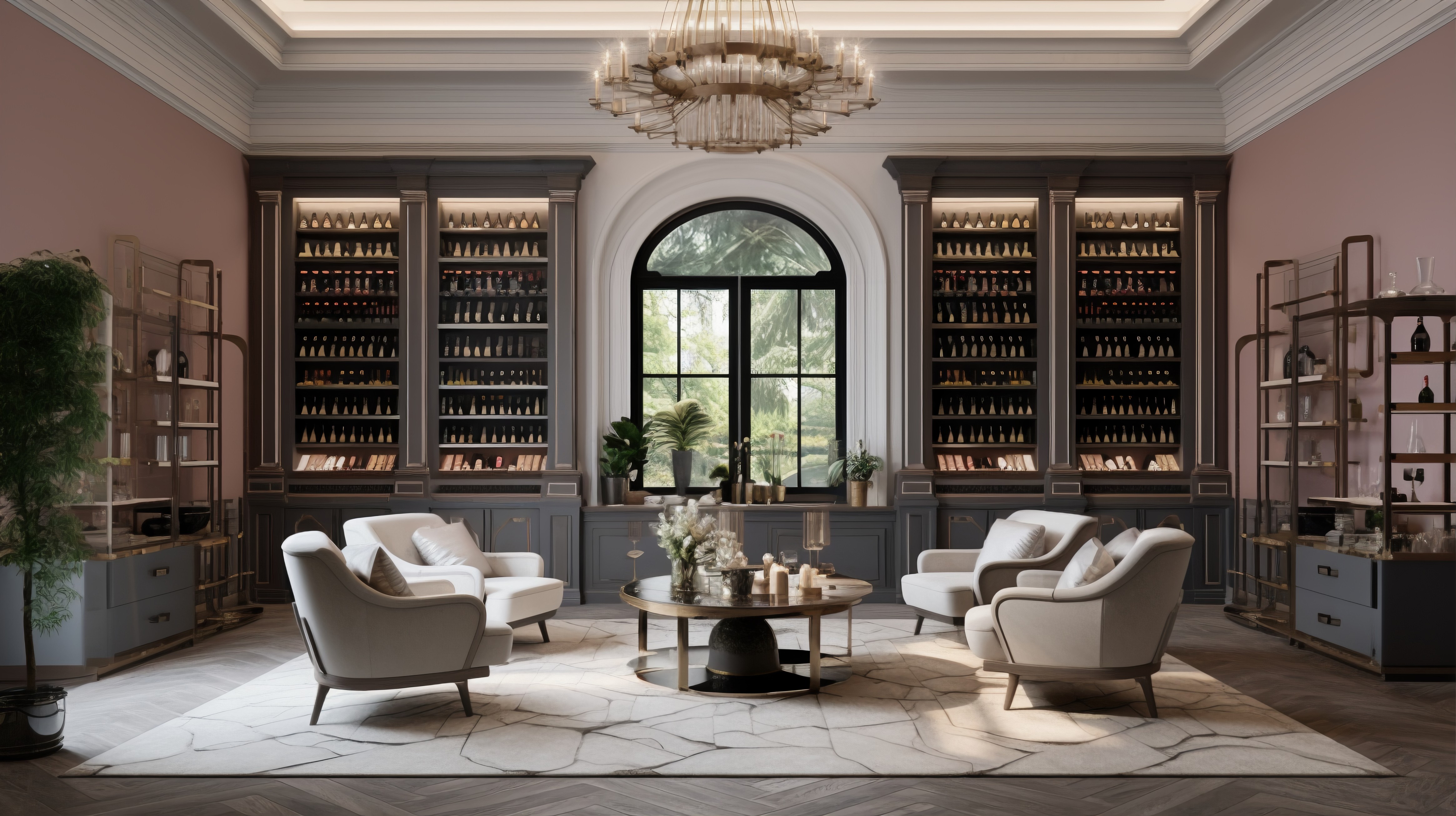
With buyers filtering heavily before physical viewings, digital presence directly affects buyer interest. Poor digital presentation reduces enquiry volumes and often leads to lower offers.
Invest in digital assets. The better a home looks online, not styled, but accurately and appealingly presented, the easier it is for buyers to imagine living there and commit to making an offer.
Bringing It All Together
These five trends are not fads, they are structural shifts in how people evaluate homes, prioritise comfort and make decisions. For South African buyers and sellers, awareness of these trends isn’t about chasing global aesthetics; it’s about aligning with how sophisticated markets are valuing property today and tomorrow.
Homes that reflect these priorities not only sell more effectively, they live better, and going forward, that’s the real frontier of residential property value.
 Back to All Posts
Comments